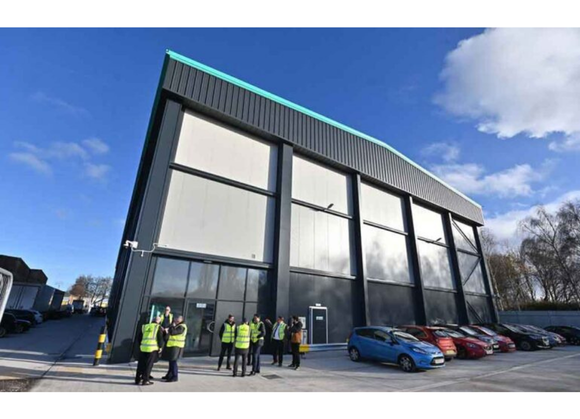
EVAPCO Starts Production at New Shanghai Facility
September 14, 2026
AWA is expanding its range of components and strengthening its wholesale distribution channel
September 21, 2026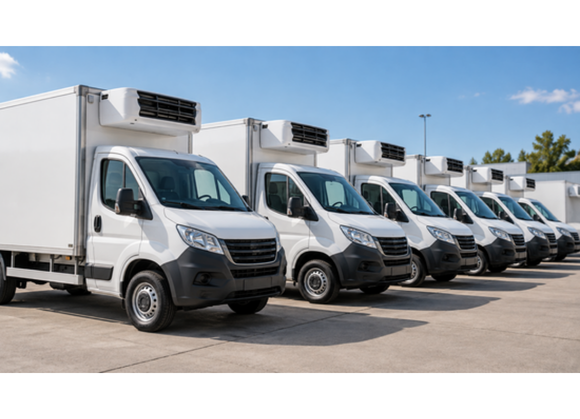
A transcritical CO₂ (R744) refrigeration system can deliver significant energy-efficiency benefits, particularly as outdoor temperatures rise. This is the finding of a study conducted by a group of researchers from the Italian National Research Council (CNR), including Silvia Minetto, Antonio Rossetti and Francesco Fabris, and published in the International Journal of Refrigeration.
The research focused on the design and experimental testing of a transcritical CO₂ refrigeration unit intended for light- and medium-duty refrigerated transport. The work was carried out as part of the EU-funded ‘Enough’ project and involved a stationary prototype installed at the laboratories of the CNR Institute for Construction Technologies in Padua, Italy.
Laboratory testing
The experimental campaign examined a range of operating conditions, with refrigerated-space temperatures between -5°C and +5°C and ambient temperatures ranging from 20°C to 40°C.
The researchers compared two configurations: a conventional system based on back-pressure control and a solution equipped with a two-phase ejector, a component designed to recover part of the energy available within the refrigeration cycle.
The results showed different performance trends depending on outdoor temperature. Under milder ambient conditions, the conventional system achieved higher efficiency. As the ambient temperature increased, however, the ejector-based configuration delivered increasingly significant benefits.
Under the most demanding conditions, the use of the ejector resulted in COP improvements of up to around 25% compared with the conventional back-pressure configuration.
Another important finding concerned cooling capacity. As ambient temperature rose, the ejector-equipped system was able to maintain or increase its refrigeration capacity. This is particularly relevant to refrigerated transport, where cooling demand can increase during periods of high outdoor temperatures.
Competitive energy performance
According to the study, the CO₂ prototype also demonstrated competitive energy performance compared with published results for systems using synthetic refrigerants.
The researchers nevertheless stress that such comparisons should be interpreted with caution. Differences in system architecture, control strategies and operating conditions can significantly affect performance, making direct comparisons between different systems difficult.
From laboratory testing to vehicle trials
The research has now moved beyond the laboratory stage. Following the experimental tests, the team developed an optimized and more compact version of the CO₂ refrigeration unit for installation on a refrigerated vehicle.
The system has been fitted to the vehicle, which has subsequently obtained ATP certification. The vehicle is now ready to move on to the next phase of the project: field testing, aimed at assessing the technology under real-world operating conditions.
The world of industrial and commercial refrigeration, logistics, freezing, and cryogenics will come together at REFRIGERA, the international event for the industry, taking place at BolognaFiere from November 10 to 12, 2027.